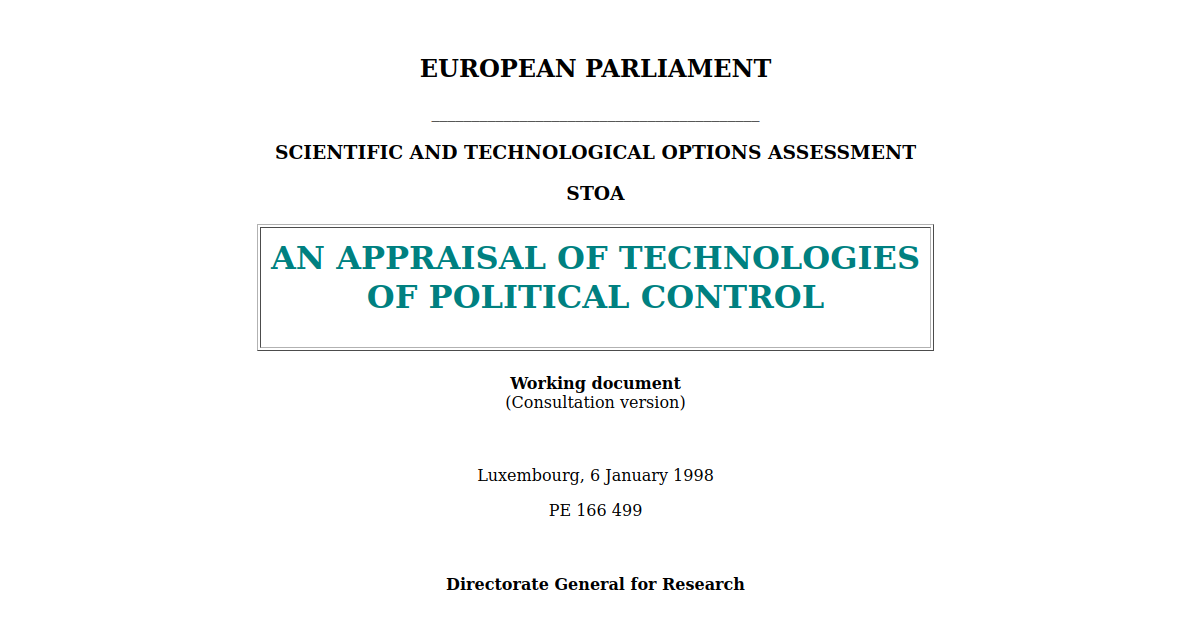
Read on: nytimes.com
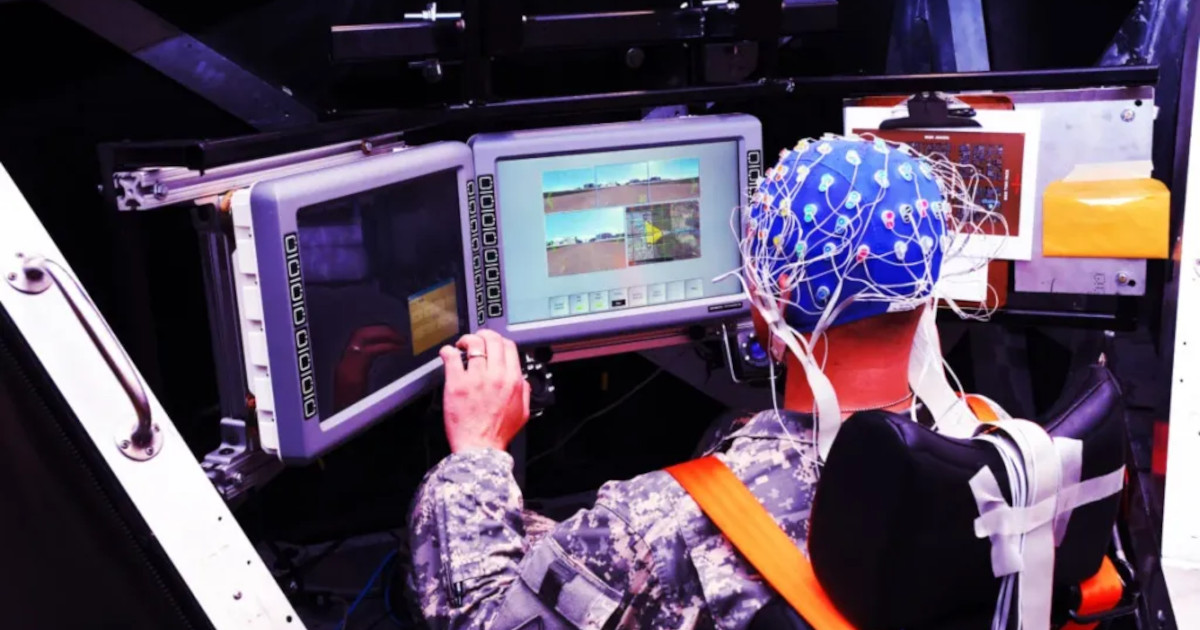
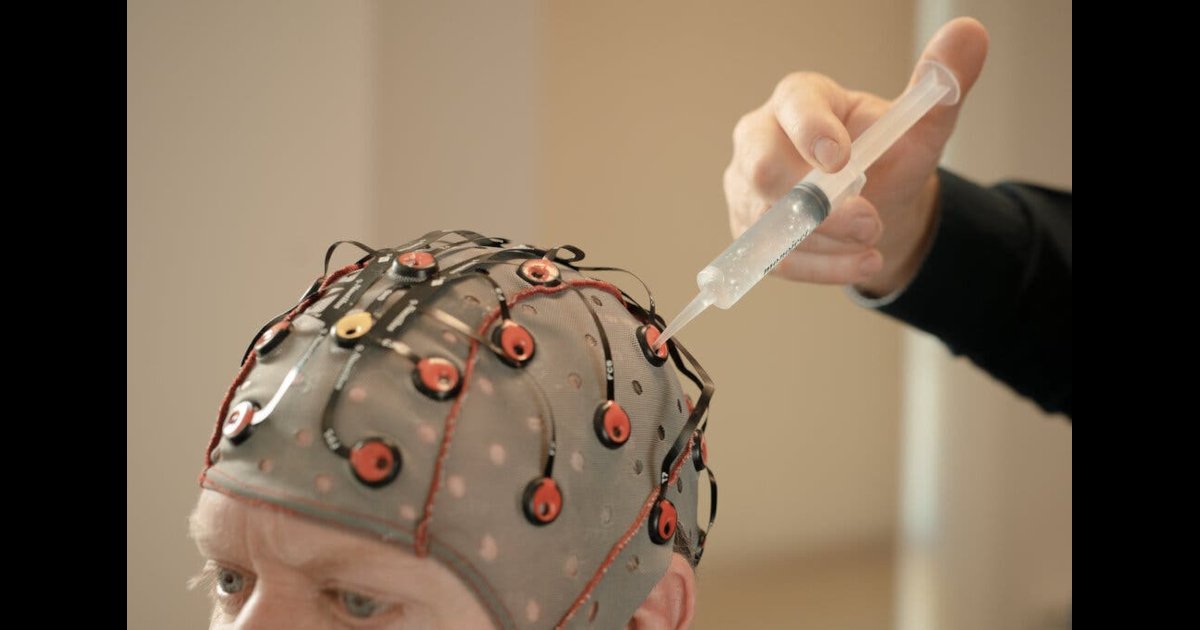
U.N. Warns Against Technology Used to Read Citizens’ Minds
See also:
Human rights in the administration of justice
- I recommend that Member States:
(a) Establish regulatory frameworks, consistent with international
human rights law and relevant international standards and guidance provided
by United Nations human rights mechanisms, governing the development,
deployment and use of neurotechnologies in the administration of justice,
including their development by business enterprises or other entities. This could
include mapping existing national frameworks applicable to neurotechnology in
the administration of justice and adopting legislative and policy measures to
address identified gaps. Regulation should require the conduct of human rights
impact assessments and due diligence across the entire life cycle of
neurotechnologies, including data-testing protocols and thresholds to identify
and mitigate risks of algorithmic bias;
(b) Recognize neural data as highly sensitive personal data subject to the
highest level of legal protection; impose clear limitations on its collection,
processing, sale, storage, retention, reuse and sharing; and provide accessible
mechanisms for remedy in the event of infringement and effective judicial and
independent oversight;
(c) Prohibit the compulsory or coercive use of neurotechnologies in the
administration of justice, including brain-based deception detection, predictive
applications, decoding applications to “read” thoughts, intentions or memories,
neuromodulation and arbitrary or unlawful cognitive surveillance and
monitoring;
(d) Prohibit the use of neurotechnology as a means of torture or other
cruel, inhuman or degrading treatment or punishment, or for any kind of social
control or coercive behavioural conformity. Prohibit the use of neural data
obtained through torture or ill-treatment, or in violation of the rights to freedom
of thought and opinion, as evidence in any proceedings;
(e) Require free, prior, informed, explicit and revocable consent for any
potential use of neurotechnology in the administration of justice, accompanied
by full transparency regarding risks, access to independent legal counsel of one’s
own choice and effective avenues for redress. Given the constrained and coercive
nature of justice settings, any consent should be subject to the highest evidentiary
standards and rigorous scrutiny;
(f) Require rigorous independent scientific review and validation of any
neurotechnology-derived evidence proposed for admission in court, including
assessment, as appropriate, of its safety, validity, reliability, reproducibility,
known limitations and suitability for the specific context and population in which
it is applied. Accompany any lawful deployment of neurotechnology in the
administration of justice with effective oversight, accountability and governance
mechanisms and incorporate continuous monitoring and evaluation,
transparency and public reporting;
(g) Ensure enhanced safeguards for children, detainees, persons with
disabilities, women, older persons, persons belonging to particular racial or
ethnic groups, including people of African descent, Indigenous Peoples and
persons in situations of vulnerability, with particular attention to the conditions
of consent and the potentially disproportionate or discriminatory impact of these
technologies on specific groups. Consult with and actively involve all affected
communities or groups with regard to policies on or the use of such technologies;
(h) Ensure that the development and deployment of neurotechnology
respects the rights of Indigenous Peoples, including the requirement of free, prior
and informed consent, and the protection of their collective rights, cultural
integrity and self-determination under the United Nations Declaration on the
Rights of Indigenous Peoples;
(i) Urge all business enterprises involved in neurotechnology to take all
steps to meet their responsibility to respect human rights through
operationalization of the Guiding Principles on Business and Human Rights,
including through human rights due diligence, transparency, plain-language
consumer information, safety-by-design approaches and access to effective
remedy;
(j) Invest in human rights-based public education in neurotechnology
literacy, as well as specialized training for law enforcement officials, prosecutors,
judges and defence counsel, including risk evaluation and responsible decision-
making.